Where It Comes from
In 1954 Greyhound rolled out the two level Scenicruiser. Continental Trailways needed an answer, so in 1956 it had Kässbohrer in Ulm, Germany build the Golden Eagle, named for its gold anodized siding, with a rear observation lounge and an aircraft style galley. The plain fleet version with grey siding followed in 1958: the Silver Eagle, the standard Trailways coach for the next thirty years. The name and the eagle badge came from American Bus Lines, a Trailways predecessor. Production moved to Bus & Car in Brugge, Belgium in 1961, then to a new Eagle International plant in Brownsville, Texas late in 1974. About 8,000 Eagles were built in four countries over four decades.
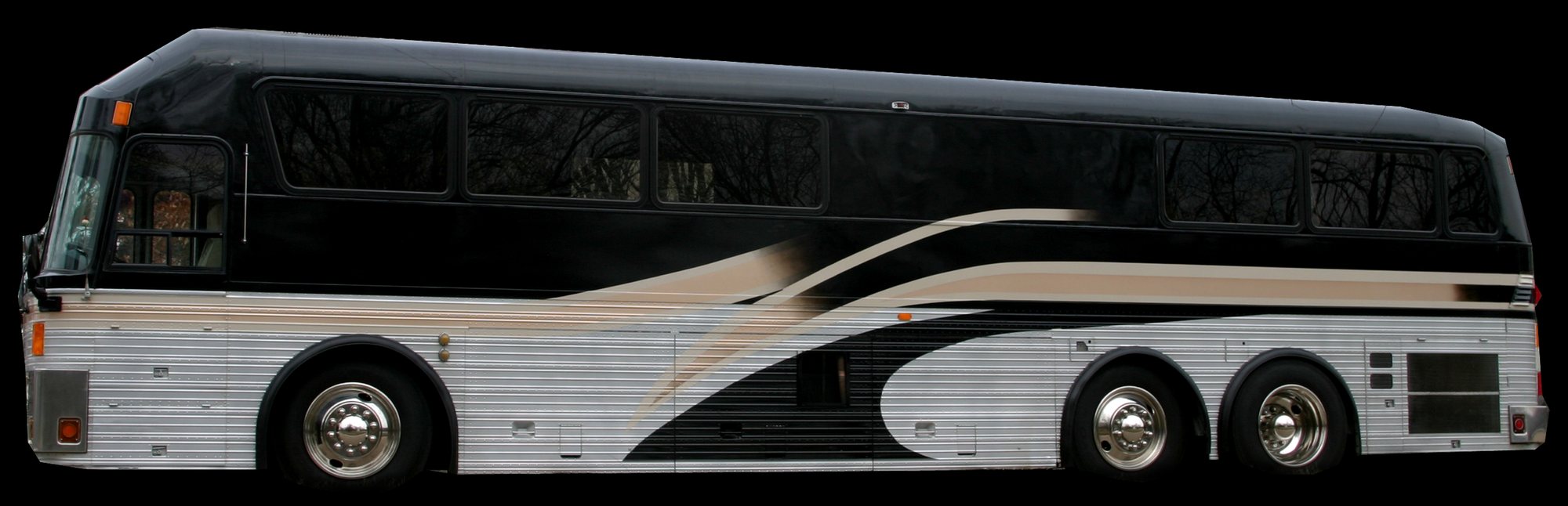
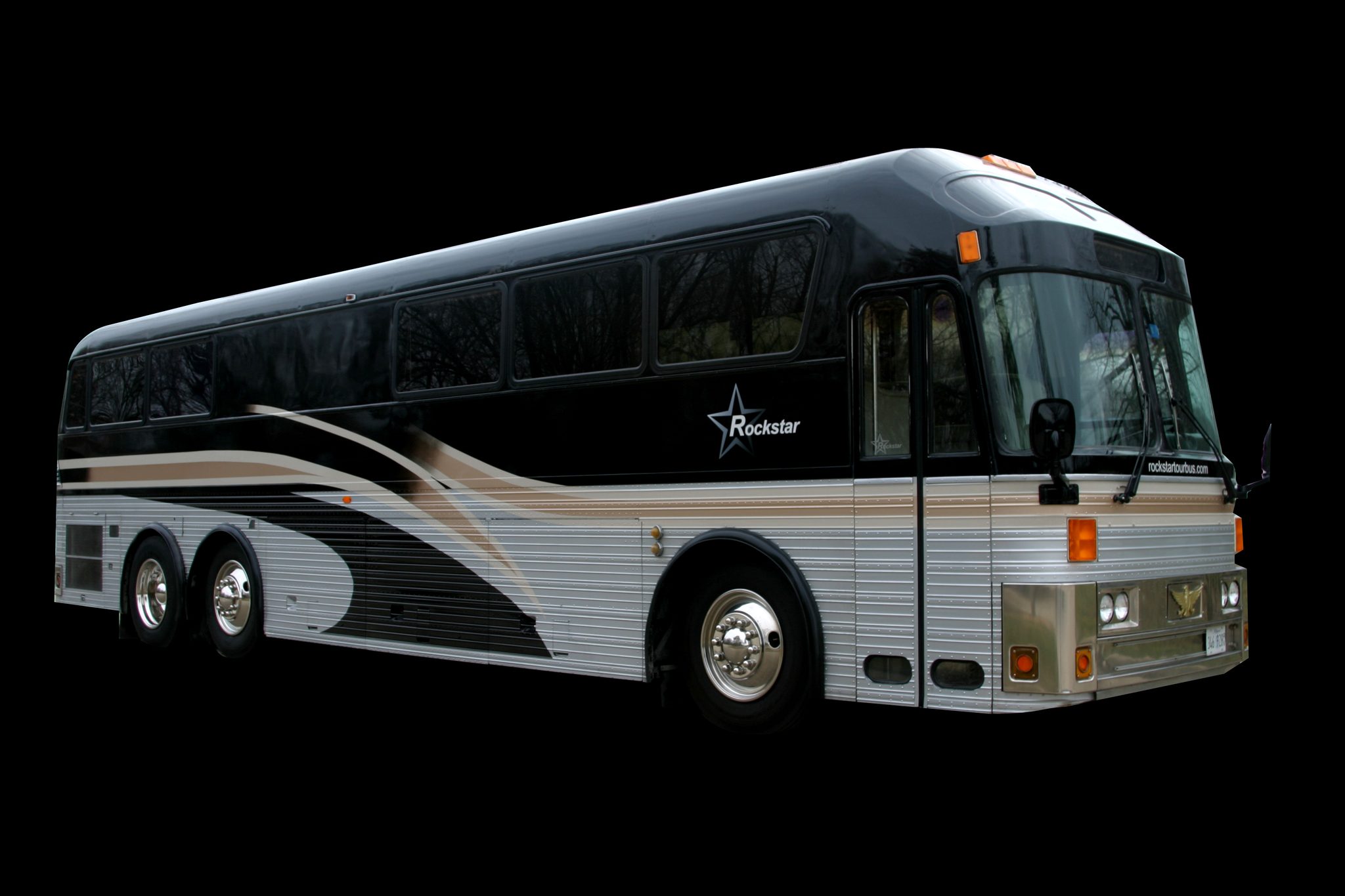
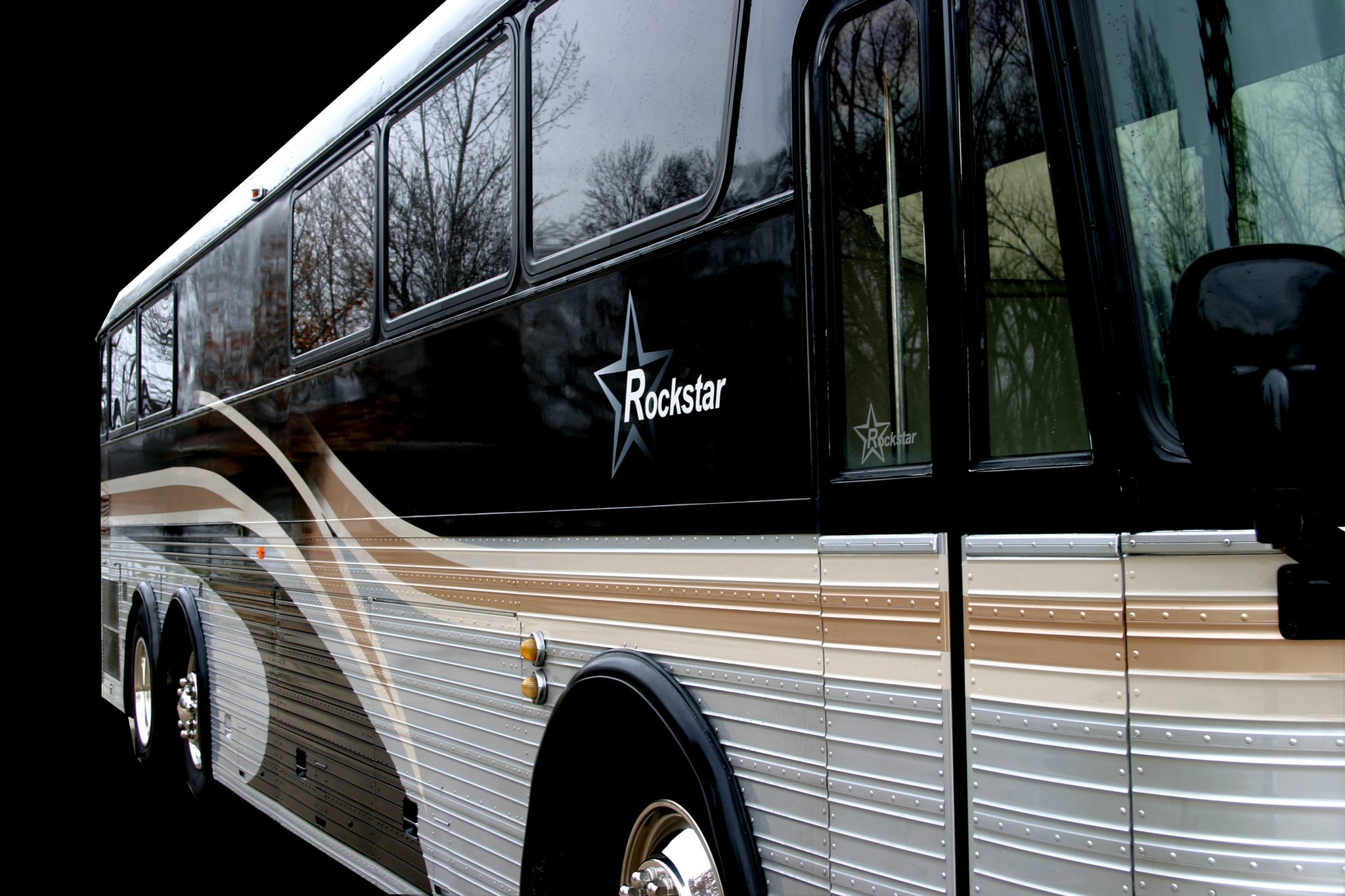
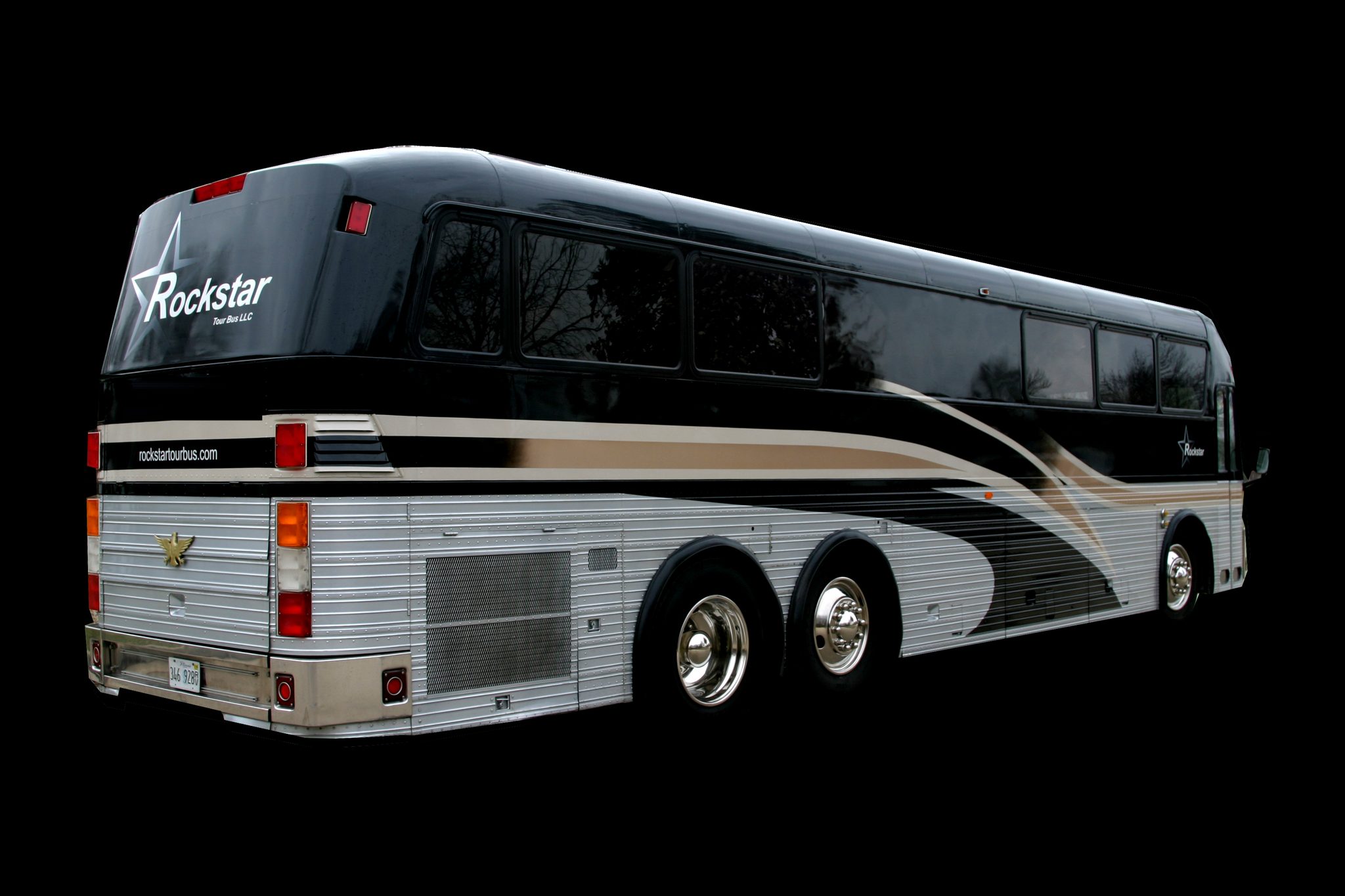
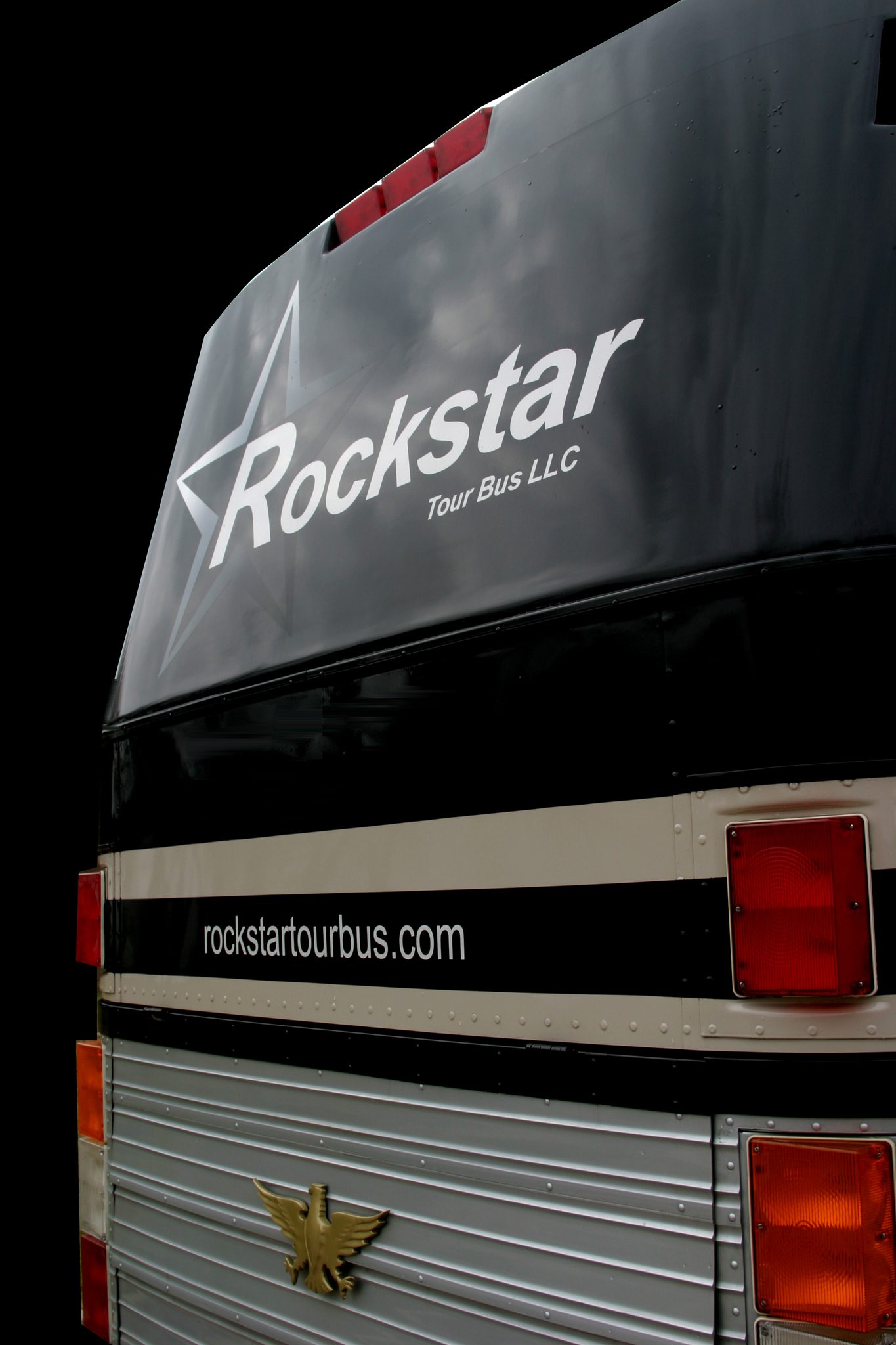
The Model 10 arrived in 1980 as the first real redesign of the Brownsville era. A sloping one piece front cap replaced the Model 05's notched brow, the rear windows gave way to a smooth one piece end cap, the entry door and driver's window grew to the height of the windshield in 1981, and the dash was redone with aircraft style instruments. Behind the rear axle sat the new turbocharged Detroit Diesel 6V-92TA, the first Eagle you could order with an Allison automatic.
The plant nearly closed in 1979; Trailways sent Frank Hines down to shut it, and he saved it instead with a fifty coach order from Houston Metro that paid for the Model 10. Exactly 2,217 Model 10 coaches were built between February 1980 and the last delivery in November 1987, 300 to 400 a year at the peak and about 75 in 1986, plus 84 two axle Model 10S commuter versions from a second plant in Harlingen. Bare shells were sold for motorhome conversion, and 14 right hand drive Model 10s went to Greyhound Australia. The 102 inch wide Model 15 arrived in 1985, but the 96 inch Model 10 stayed in production because it fit tight East Coast routes like the Holland Tunnel. Greyhound bought Trailways and Eagle in 1987, the factory passed to Mexican owners in 1991 and built mostly motorhome shells, and a 2005 revival in Brownsville and then Tennessee ended without a sale.
- Built
- 1980 to Nov 1987, Brownsville TX
- Production
- 2,217 Coaches, Plus 84 Model 10S
- Length
- 40 ft
- Width
- 96 in
- Height
- About 11 ft
- Weight
- About 28,000 lb Empty
- Seats as Delivered
- 42 to 53, Usually 46 Plus a Lavatory
- Engine
- Detroit Diesel 6V-92TA, 552 cu in Two Stroke V6, Turbo and Aftercooled (8V-71 Optional)
- Power
- Up to 335 hp, About 1,000 lb-ft
- Transmission
- Allison HT740 4 Speed Automatic
- Rear Axle
- Rockwell, 3.36
- Axles
- 3: Steer, Tag, Drive (Tag Ahead of the Drive Axle)
- Suspension
- BF Goodrich Torsilastic Rubber Torsion, All Three Axles, Independent Front. No Air Bags
- Frame
- Welded Steel Tube Cage, Integral, No Separate Chassis
- Skin
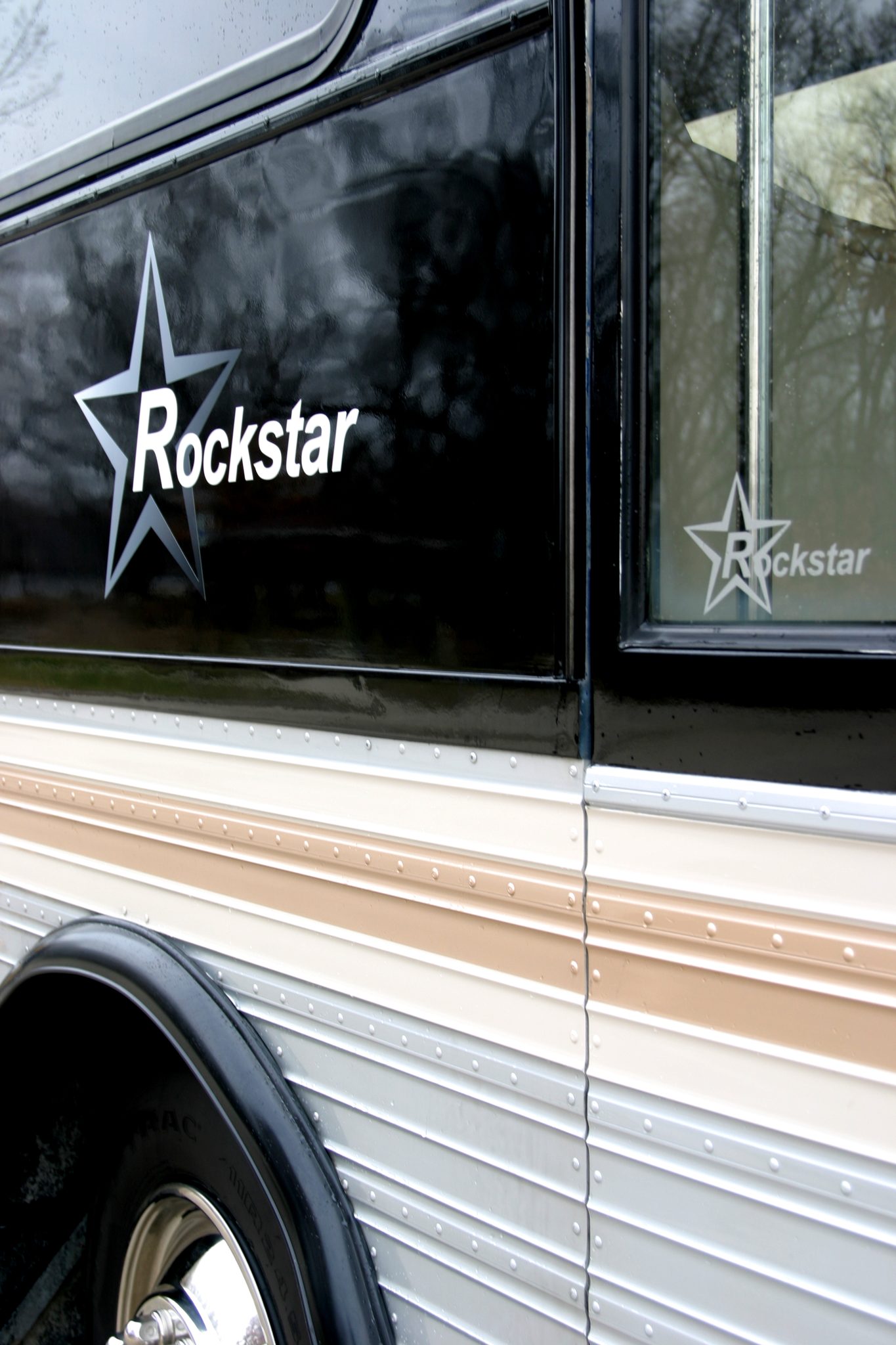
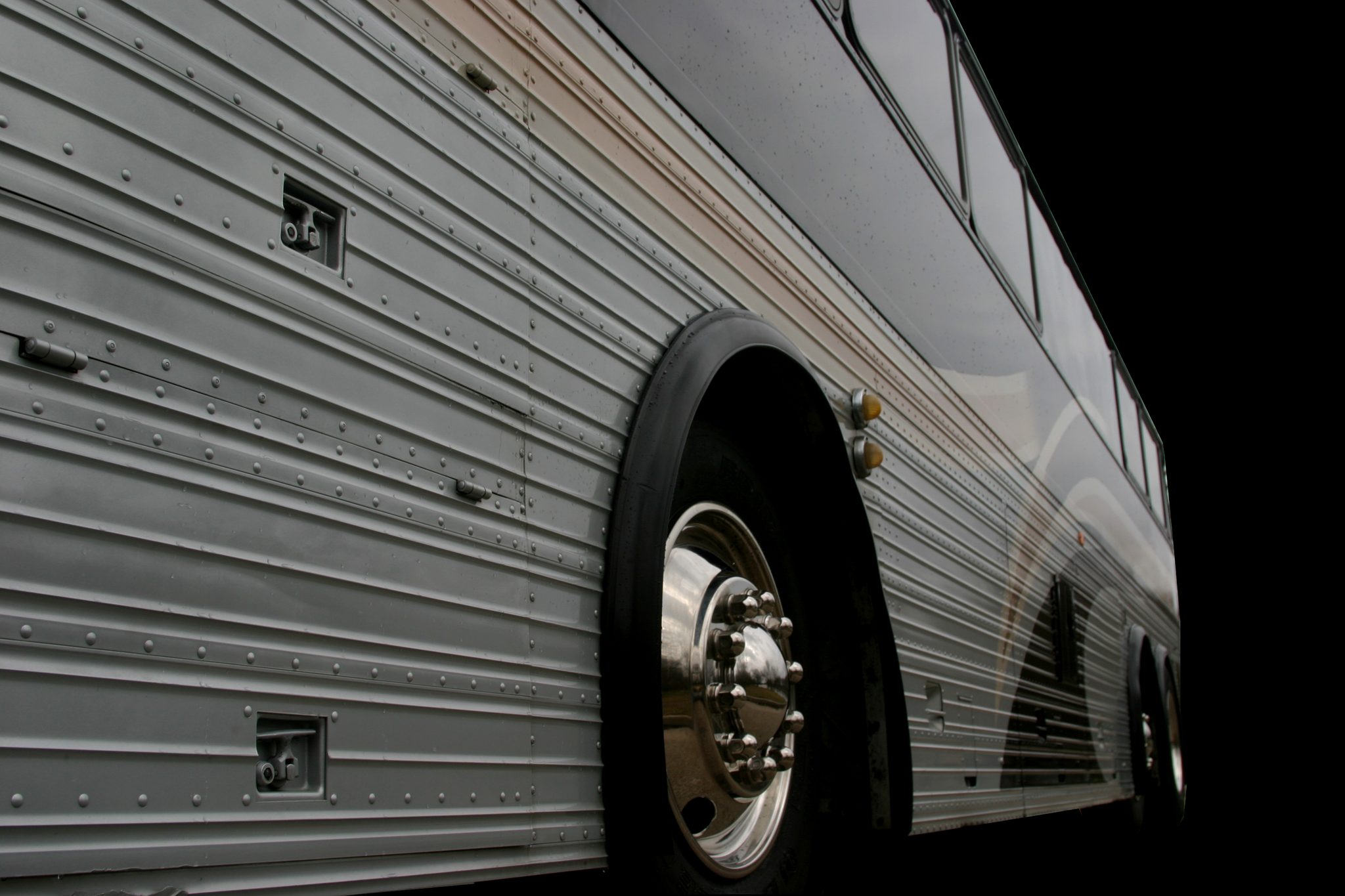
- Fluted Anodized Aluminum, Riveted, Stainless Trim
- Brakes / Steering
- Air Drums, Ross Power Steering
- Cruise
- 2,100 rpm, About 70 mph, About 7 mpg
- Replaced by
- Model 20 (96 in) and Model 15 (102 in)